

Phytochemicals: The Secret Nutrients Nobody Notices
“Let Food by thy medicine and medicine be thy food.”
Hippocrates, Father of Western Medicine (460 BC – 370 BC)
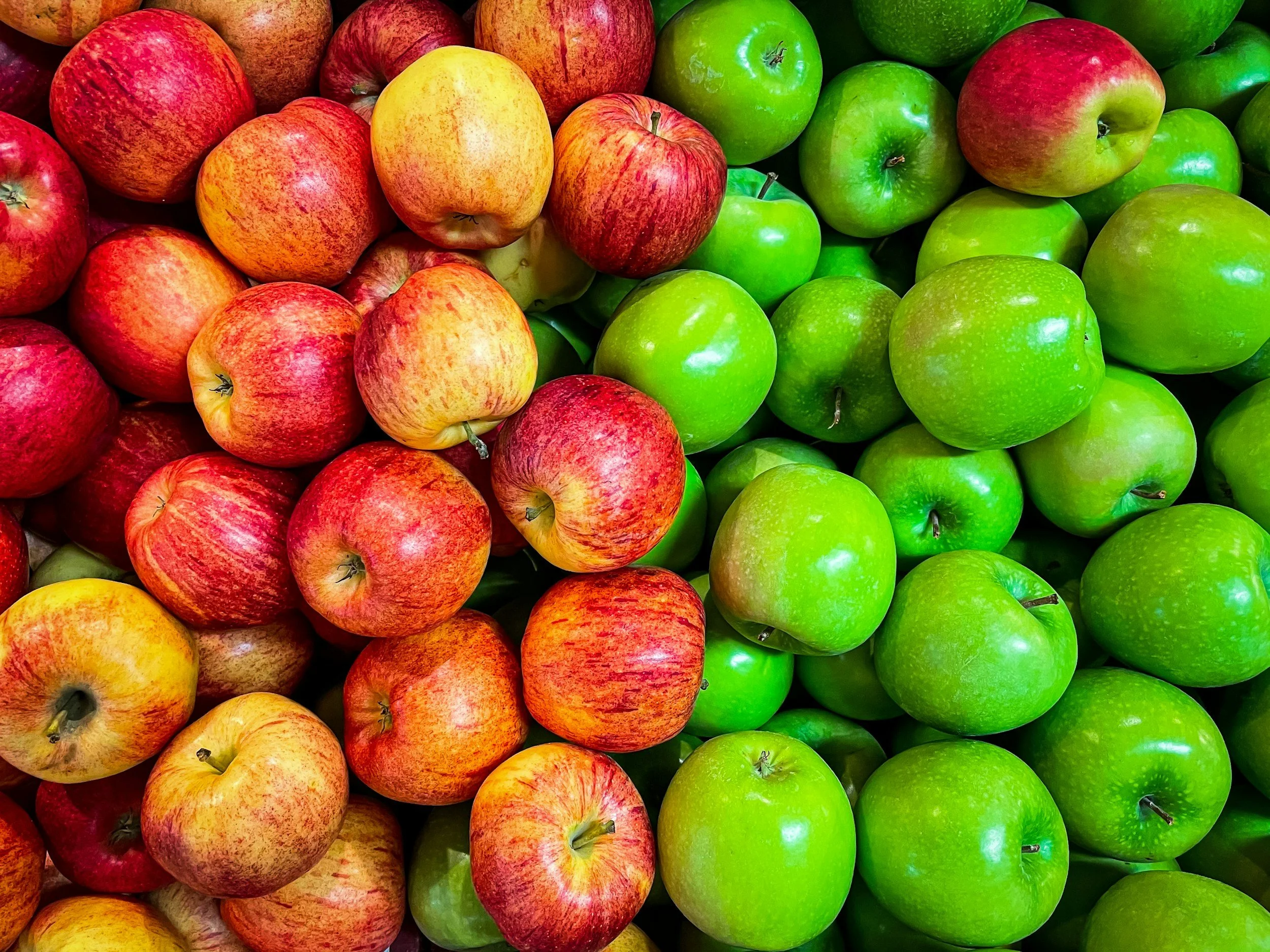
Every piece of fruit you consume contains hundreds or thousands of beneficial phytonutrients.
Thousands of years ago a physician named Hippocrates, knew that food had the magical ingredients to keep us healthy. Even now, so many people want to put nutrients in a clean, neat, bottle or pill when all we really need is a variety of food, especially plants to give us all the nutrients we need. Although they couldn’t put a name on micronutrients thousands of years ago, they realized the healing power of consuming a well-balanced diet. Phytochemicals, also called phytonutrients number in the thousands in any given serving of plants - fruits, vegetables, legumes, seeds, nuts and whole grains. These micronutrients are powerful antioxidants that can help prevent oxidation and inflammation. Some can prevent or fight cancer and others are helpful in keeping our immune systems functioning and strong. Because these little gems number in the thousands, it is hard to name them all and it is even harder to extract them and place them in a bottle or pill form, for sale. The most recognizable categories of phytonutrients include carotenoids, ellagic acid, flavonoids, glucosinolates, and phytoestrogens. Phytoestrogens have been in the news in the recent past since the estrogen part of their name was hypothesized to have been linked to female reproductive cancer, including breast. After dozens of studies, it is now universally recognized that phytoestrogens like those in soy or tofu, are far more helpful than harmful. In fact, they can be extremely helpful to women who are experiencing menopausal symptoms and discomfort. They don’t cause devastating diseases like cancer but rather fight against these diseases. And no, you cannot get man-boobs from consuming soy. This is false advertising and it can be damaging for those who just want to eat healthy.
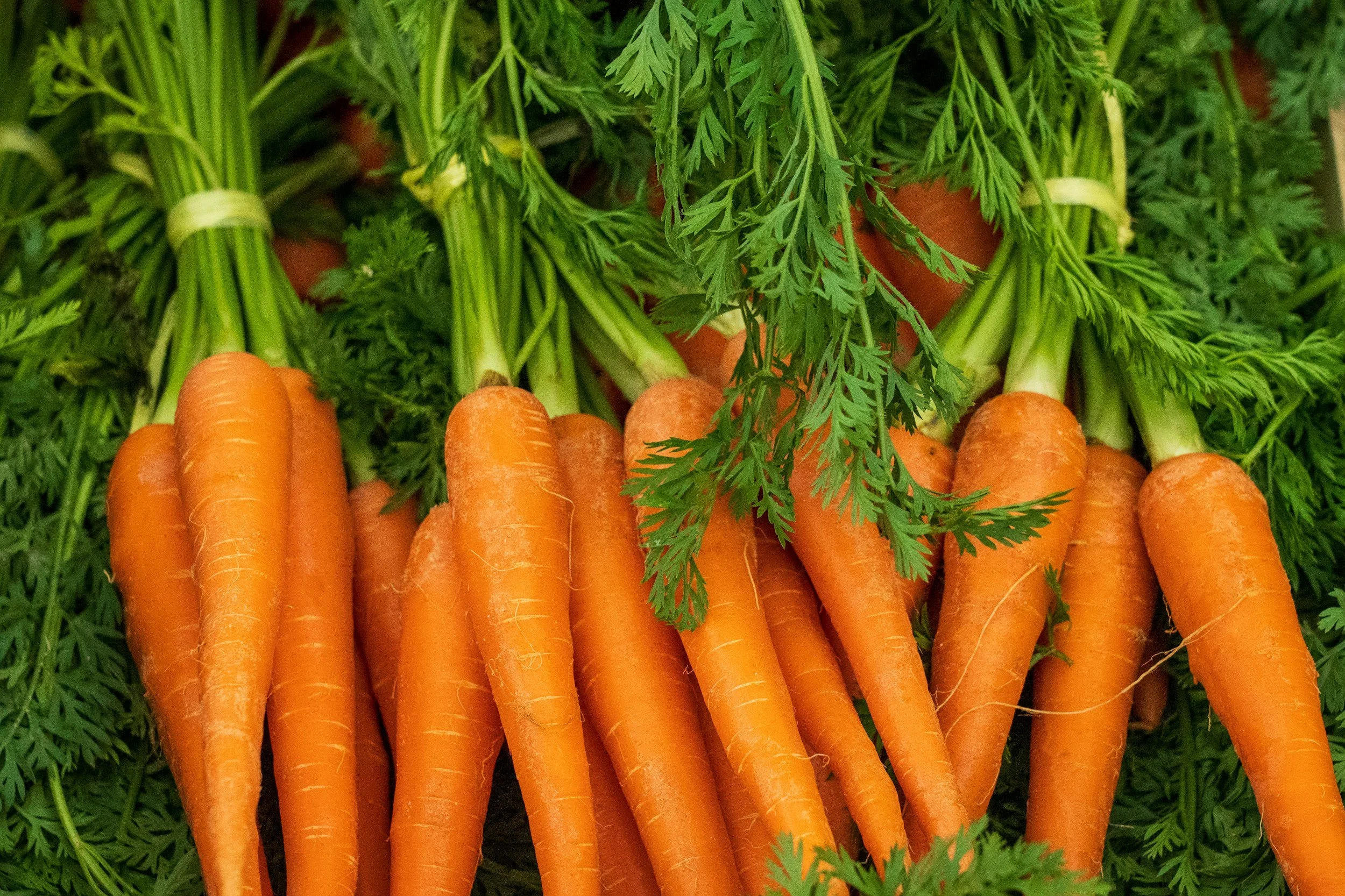
Phytonutrients in carrots called carotenoids can help strengthen our immune systems.
Carotenoids are probably the most well-known phytonutrients. Most of us know that carrots have carotenoids in them and that our bodies can turn beta-carotene into vitamin A. Alpha-carotene is the lesser known of the two, but still extremely beneficial - these two nutrients can be found in some of the same foods - carrots, sweet potatoes, pumpkin and winter squash. Both alpha and beta-carotene are antioxidants that boost our immune systems and can support eye and skin health. You may assume the carotenoids list stops there, but no. Carotenoids also include beta-cryptoxanthin, lycopene, lutein and zeaxanthin. Beta-cryptoxanthin can be found in foods such as, apples, red bell peppers, oranges, peaches and papayas. Some studies suggest these beneficial micronutrients could help lower our risk for bladder, lung and colon cancers. But more studies are warranted. Lycopene, found naturally in tomatoes and watermelon can protect us against UV rays and prevent skin damage and some studies have linked lycopene to a reduced risk for developing heart disease. Lutein and zeaxanthin work together to benefit eyesight and can protect against the development of cataracts, macular degeneration, and can help filter out blue light. These two powerhouse nutrients can be found in dark green leafy greens like spinach, kale and collard greens.
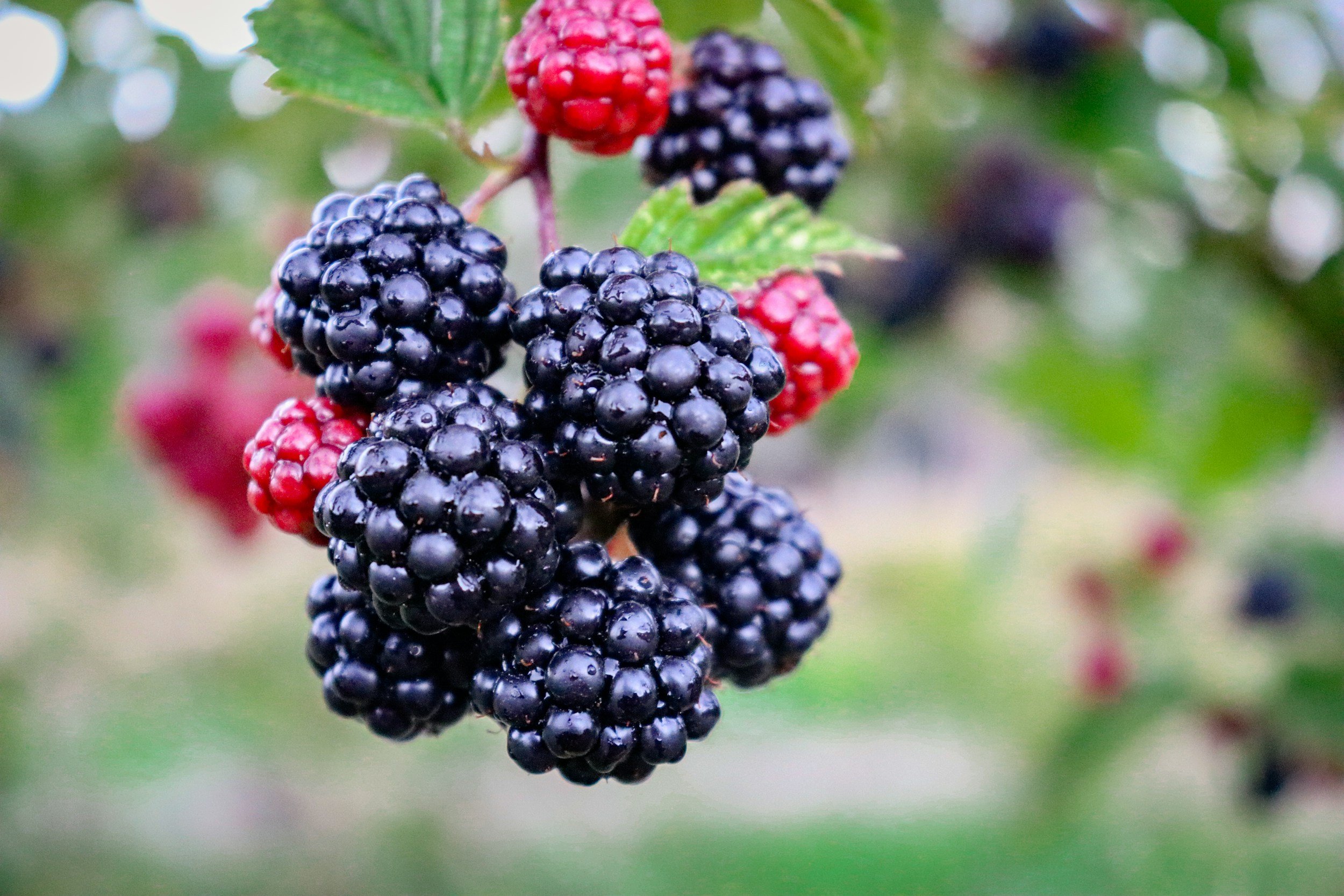
Berries like blackberries, blueberries, raspberries and strawberries all contain cardiovascular protective phytonutrients.
Ellagic acid is yet another phytonutrient that isn’t discussed much but nonetheless is crucial to a healthy diet. More studies need to be completed on this important nutrient but so far, the evidence tells us that ellagic acid found in berries and nuts can work as an antiviral and antibacterial compound and could play a role in cancer prevention.
Flavonoids create the beautiful colors that we see when a variety of fruits and vegetables are presented - each with a unique color and flavor. More than 5,000 compounds have been discovered. These important nutrients are involved in helping us maintain a healthy nervous system and circulatory system. Flavonoids may also be involved in fighting cancer by acting as an antioxidant to decrease inflammation. There are many flavonoids but the most studied and those that stand out include anthocyanins, catechins, hesperidin, flavanols, flavanones, and flavones. Anthocyanins give flowers and other plants a blue, purple or red glow. Elderberry contains the most anthocyanins. Blueberries, blackberries and cranberries all contain hundreds of different kinds of anthocyanins. Catechins can be found in green and black tea and are important in reducing oxidative damage. Hesperidin has been found to help keep blood vessels healthy and can be found in citrus fruits like oranges, grapefruit, lemons and limes. Flavanols can be found in onions, black tea and apples and are thought to be helpful in cardiovascular health. Flavanones in citrus fruits contribute to the anti-inflammatory and anticancer properties in these foods and improved health of the vascular epithelial tissue. Flavones found in herbs and some peppers have powerful anti-inflammatory properties. Isoflavones, a type of phytoestrogen in soybeans, tofu and legumes may mimic the use of estrogen which is especially helpful during menopause when women have decreased production of natural estrogen. Although plant estrogens are far weaker and safer than the more powerful estrogens produced by the human body, they can still be beneficial. Isoflavones are also powerful antioxidants and can neutralize free-radicals and prevent the risk for developing chronic diseases such as cardiovascular disease and some cancers.
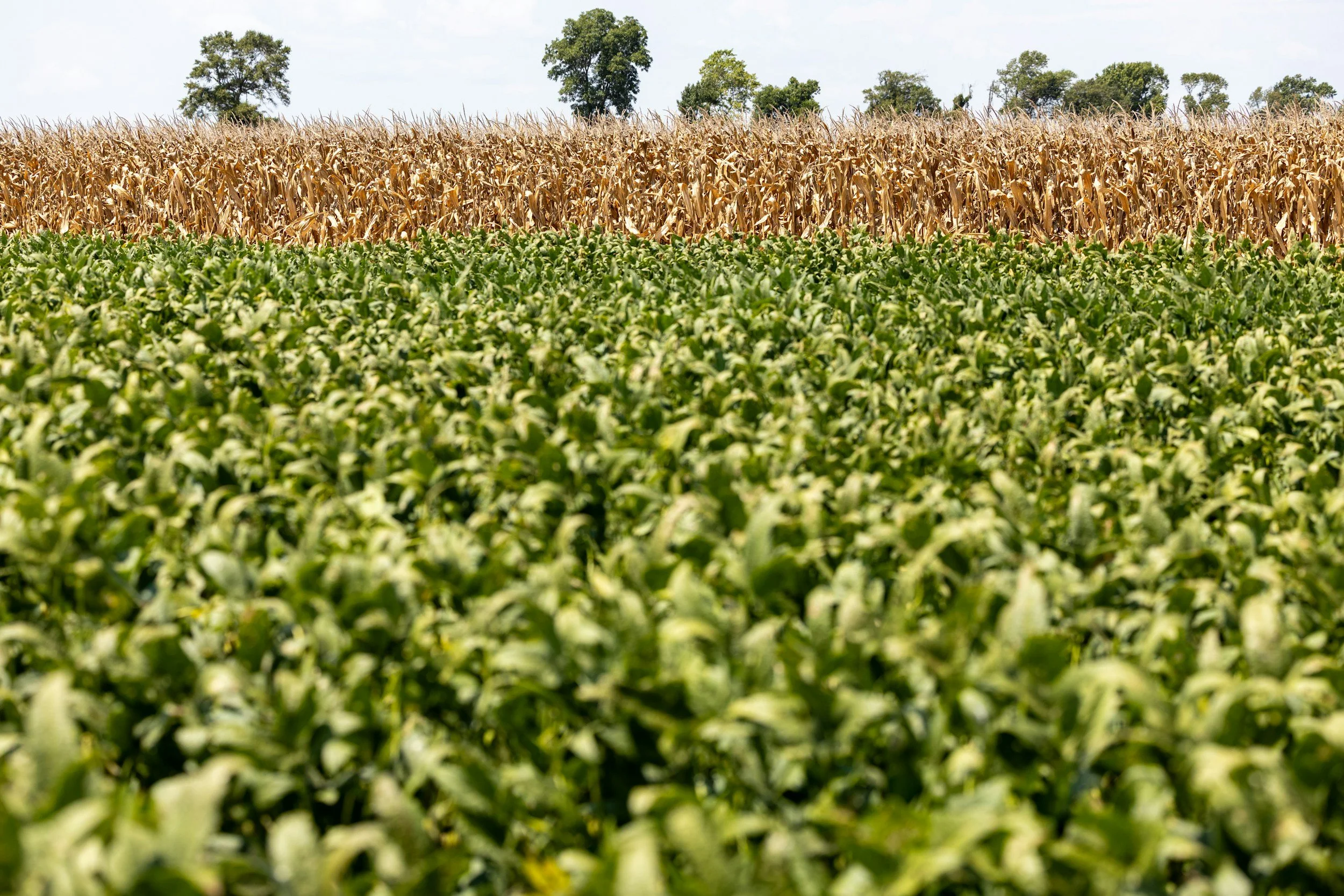
Soybeans in any form are one of the best foods humans can consume. They are high in phytonutrients, fiber and protein.
Glucosinolates are found in cruciferous vegetables like cabbage, broccoli and Brussel sprouts. They are powerful anticancer phytonutrients and can reduce the risk of developing cancers of the breast, pancreatic, bladder, lung, prostate and colon.
Phytoestrogens (as stated above) can mimic endogenous estrogen and are helpful in lowering the risk for developing osteoporosis, heart disease and some cancers. These phytonutrients can also relieve menopausal symptoms such as insomnia, night sweats and hot flashes. Types of phytoestrogens include coumestans found in legumes, lignans found in seeds and oats, and stilbenes found in grapes, nuts and berries. Resveratrol found in the skin of grapes can also be found in red wine and is a powerful antioxidant.
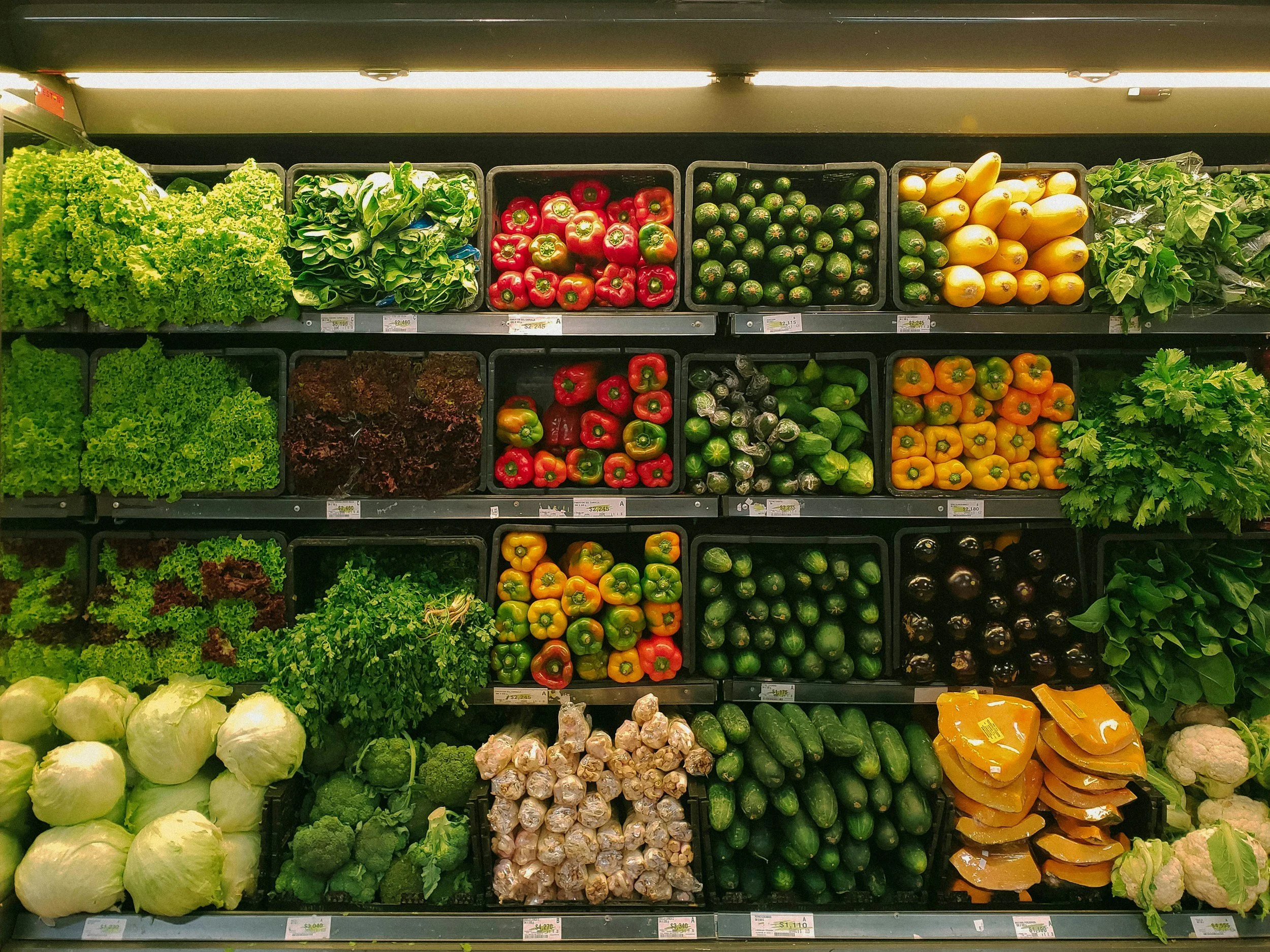
Deep green leafy vegetables are unique in their ability to deliver so many micronutrients including vitamins, minerals and phytonutrients.
As you can see, phytochemicals are a crucial part of human health and cannot and should not be put in a bottle or in a pill. They should be eaten as part of a healthy diet that includes a diverse array of fruits, vegetables, legumes, grains, seeds and nuts. Good health is not about counting calories or counting vitamin C and D. It is about consuming lots of different kinds of plant foods to be sure you are getting all the nutrients you need. We don’t think about all the phytochemicals in plant foods. Instead, humans have zoned in on protein rich foods that contain no phytochemicals – at their own peril. Instead of focusing on dairy, eggs and meat for protein, we should really be focusing on a rainbow of fruit and vegetable choices. Yes, there are lots of high protein plant food options. Only then will we be getting closer to the most perfect diet. Food, especially plant sources, have every single nutrient that humans need and they don’t have the food components that need to be limited such as saturated fat, sugar, sugar substitutes and sodium. Plants are the perfect food! Less carbon pollution, far less cruelty to animals, and helping people and the earth heal are quite literally, the plant-based whipped cream with lots of cherries on top!
https://health.clevelandclinic.org/phytonutrients
https://journalofnutrition.org/encyclopedia/what-are-isoflavones/