

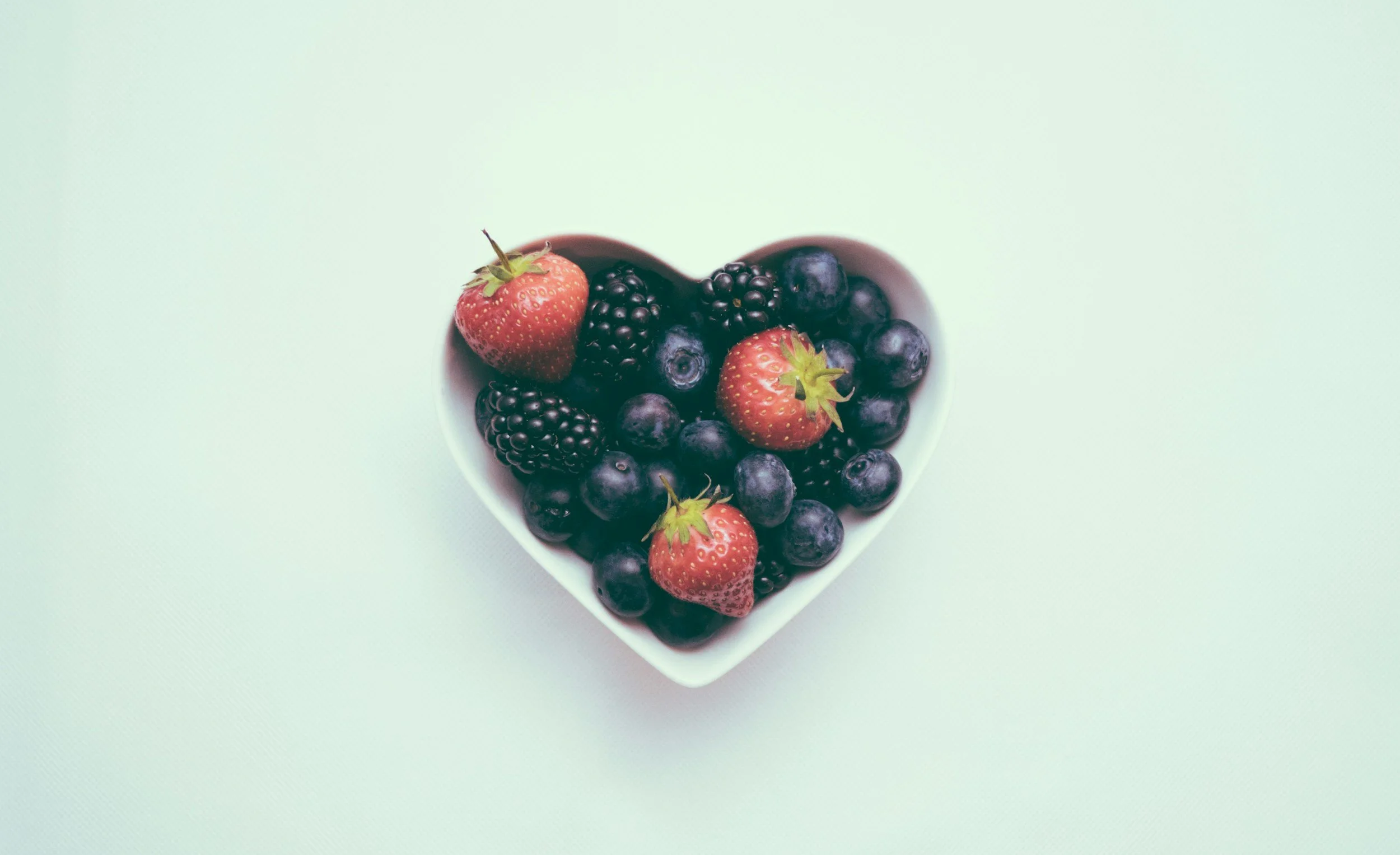
A diet rich in fruits, vegetables, whole grains, seeds and nuts is recommended to lower CVD risk.
What causes heart disease, stroke, peripheral vascular disease, and dementia? All can be related to a faulty cardiovascular system. But what exactly makes it faulty? When we lose a loved one from cardiovascular disease (CVD,) we are often shocked to know that they had a deadly disease that had advanced to its final stages. We are especially shocked if they had not yet reached old age and/or appeared healthy. But what causes heart disease and how can we, as a society, prevent it? This article emphasizes the most common path to developing heart disease – lifestyle habits and diet. Of course, there are many factors that can cause heart failure and increase incidence of CVD. This should not be taken as medical advice or in place of a doctor’s care. But rather gaining knowledge of what scientists have uncovered when it comes to the development of the deadliest disease in the world.

Societies in rural China have been observed to have a low incidence of CVD. They also avoid consuming high amounts of animal sourced foods, saturated fat and processed foods that contain salt, sugar and fat.
A few decades ago, scientists started to compare societies that had a low incidence of cardiovascular disease (CVD) to societies that had a high incidence of this deadly disease. What they found was that a diet that was low in animal sourced saturated fat and low in processed foods that contained a lot of fat, salt and sugar, created a very low risk of developing CVD. Although many of these studies were observational, and there was no absolute cause-effect established from these studies, if you looked at the big picture you could see that avoiding rich foods made with a lot of fat and sugar seemed to keep people slimmer and with much less risk for diseases of many kinds. The book, The China Study, written by Dr. T. Colin Campbell sums up these findings.

The Engine 2 Diet established a way to lower risk of CVD by consuming a plant based diet.
Once there were a few clues established as to how such deadly circulatory diseases may start, other scientists decided to experiment with changing the diet of people who had a high risk of developing CVD or had already developed it. The Engine 2 Diet was established by Dr. Rip Esselstyn. He found a group of volunteer fire fighters and offered them a vegan, plant-based diet with limited sugar and fat to improve their overall health. The results were exactly what they had suspected. The men not only lowered their cholesterol levels, but they also reversed their atherosclerosis risk. What did these firemen eat? They ate plant-based foods such as, legumes, whole grains, vegetables, fruits, seeds and nuts.
The biggest challenge to going on a plant-based diet in a western country is that the food system is already established to encourage the consumption of meat and dairy and does not emphasize fruits, vegetables and whole grains as much. Restaurants and grocery stores have historically been a challenge if you are seeking food that is 100% plant based. Although things are getting better, we still have a long way to go. Another challenge has been that if you are not careful, there are some nutrients that can be consumed in lower quantities than are established for a healthy diet. These nutrients include protein, vitamin B12, iron, zinc, iodine, calcium, omega-3 fats and selenium. Can you get these nutrients from plants? Absolutely! But you must be looking for them. Protein can be found in legumes, soy, whole grains, seeds and nuts. Vitamin B12 can be found in nutritional yeast, fortified foods, and can also be found in supplements that are made from algae. Iron can be found in legumes and soy. Zinc can be found in seeds, nuts and legumes. Iodine can be found in fortified salt. Calcium can be found in leafy greens and cruciferous vegetables. Omega-3 fats can be found in seeds and supplements made from algae. And selenium can be found in seeds and nuts, especially Brazil nuts. It takes extra time and care, but a vegan diet can be done right and can shave off years of unhealthy living, improving quality of life and well-being.
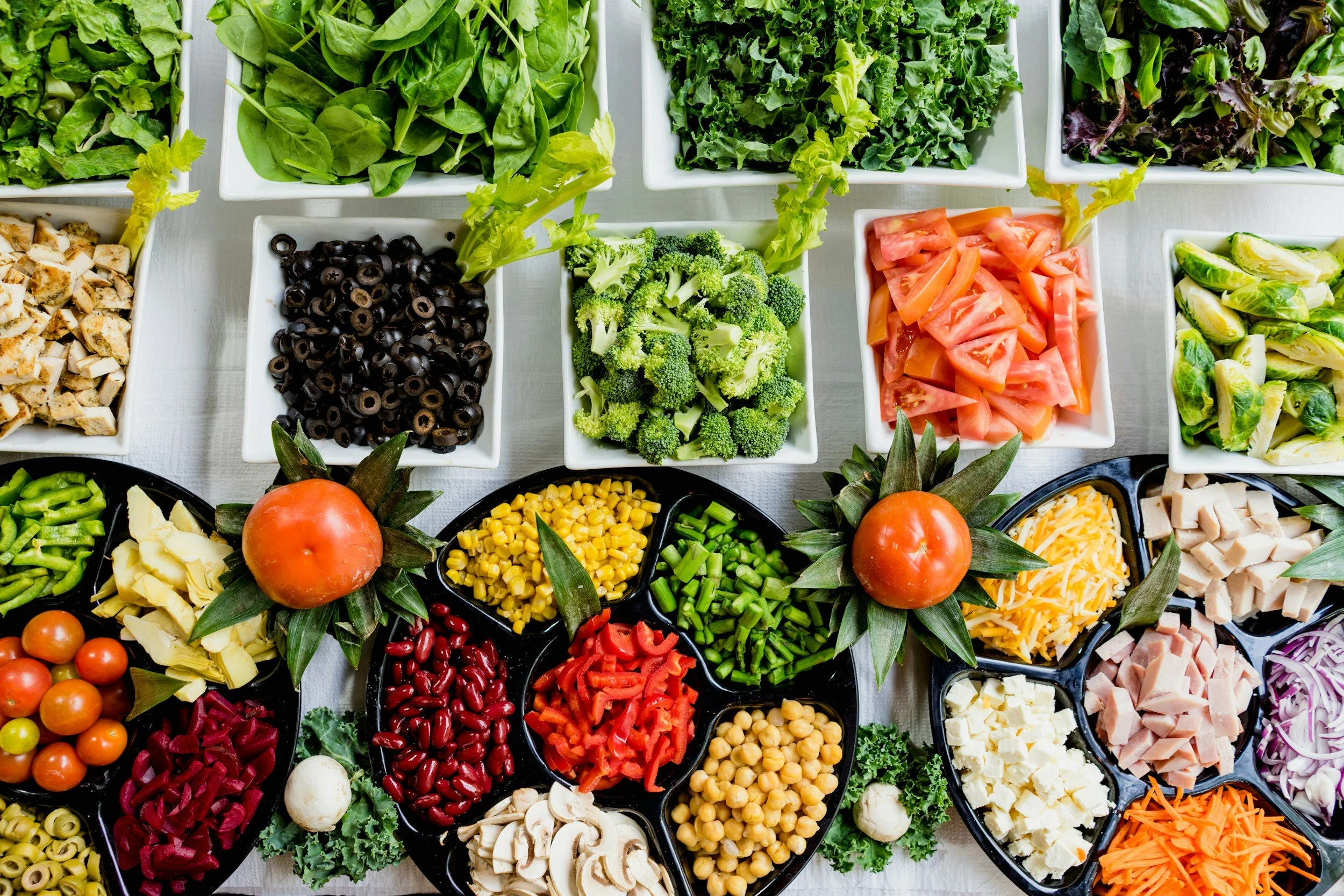
Consuming a diet high in plants can lower risk for CVD and some cancers.
According to the WHO (World Health Organization) the leading cause of human death is cardiovascular diseases. In 2022 just under 20 million people died from CVD’s – 32% of all global deaths. Just under a million died in the United States alone. The US had approximately 4% of the world’s population and 10% of the world’s CVD deaths. Risk factors for heart disease include obesity, high blood pressure, diabetes, smoking and inactivity. Diet can play a major role too.
It has been said that history repeats itself if we do not learn from it and change course. One way we can be guided has been to look at the history of human health (as has been stated above.) Another example that has been observed is what happens when a war-torn country has been forced to change their dietary habits because the food they had grown used to eating is no longer available. Way back before World War II, Norway had experienced the effects of a population that had plenty and had developed a high incidence of cardiovascular disease, and with it a high rate of death. When Nazi Germany invaded Norway, they took the animals with them and left the population to adjust to a diet without much dairy and meat. What happened was astonishing – the risk of death by heart disease dropped dramatically. Of course, nobody would recommend a diet that would starve a population or cause nutrient deficiencies. However, when you must adjust to a new diet consisting of legumes, whole grains, seeds, nuts, fruits and vegetables, you find that the consequences of such a diet, can change too.
So where does this disease of plenty go, from here? People have eating habits and it has been established that eating habits are hard to break. Learning how to consume a diet low in saturated fat and sugar and high in fiber, should be on everyone’s To Do List. But some are still challenged with an appetite and food cravings that just won’t quit. Food can be addictive and most of us want what we want. Although in my humble opinion, a vegan diet that is balanced and provides all nutrients needed by man is the most ideal, there is always room for science.
Not too long ago, statins were the miracle drug that lowered the risk of high LDL-cholesterol. Many people decided this drug would be a crucial part of their healthcare regimen. But like anything else in life, you still need to eat right – a balanced diet remains crucial. Then it was discovered that the diabetes drug, Ozempic, helped people not only lose weight via as an appetite suppressor, but also seemed to improve all biomarkers of CVD. Diabetes risk went down, but so did high blood pressure, and obesity. A miracle for what ailed us had been discovered. But some discontinued statins due to side effects – a new drug was needed to take its place. And this is when Repatha, a PCSK9 inhibitor was established. Although these drugs have side effects and nothing is 100% safe for everyone, these drugs have and will continue to allow people to avoid overeating and with that, reduce their risk for developing cardiovascular disease.
As a healthcare professional I prefer to recommend a diet that avoids the richness of plenty and establishes a diet that is high in nutrients, healthy fats, fiber and low in calories – a vegan diet that’s balanced and wholesome. But I do recognize that this method may not suit every human being on Earth. Can we do better by providing more healthy balanced meals in restaurants and grocery stores? Absolutely, but it has never been a better day to find a solution to what ails us. At least as far as CVD goes, we have so many solutions at our fingertips. Now we must put them in place. Avoiding rich foods must be part of the tool kit.
References:
The World Health Organization (WHO)
https://www.who.int/news-room/fact-sheets/detail/cardiovascular-diseases-(cvds)
The American Heart Association
Abolishing Heart Disease
https://nutritionstudies.org/abolishing-heart-disease/
The China Study
https://nutritionstudies.org/the-china-study/
Vegan Diet
https://health.clevelandclinic.org/going-vegan-101
https://www.forksoverknives.com/recipes/